

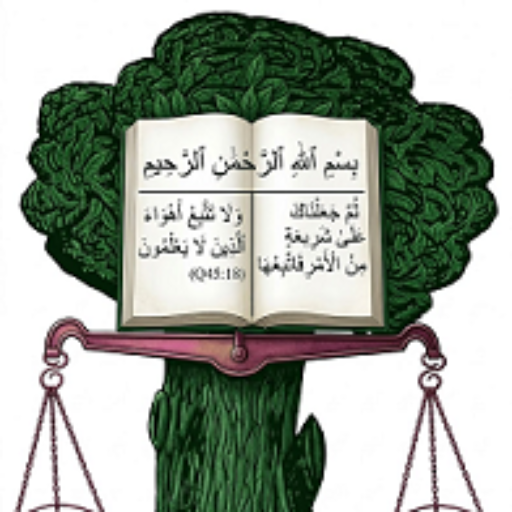
The reintroduction of Shariah in Nigeria at the dawn of the Fourth Republic stands as one of the most defining developments in the country’s contemporary legal and socio-political landscape. While it has often been the subject of intense debate and, at times, misunderstanding, a careful and informed examination reveals that Shariah in Nigeria is firmly rooted in constitutional provisions, anchored in the fundamental right to religious freedom, and limited in scope to its adherents. Properly understood and responsibly implemented, it also holds significant potential for moral renewal and holistic national development.
Shariah is not a new phenomenon in Nigeria. Long before colonial rule, it formed an integral part of governance and social organisation in many parts of Northern Nigeria. It regulated not only legal matters but also social conduct, economic transactions, and public administration. However, with the advent of British colonial administration, its scope was significantly curtailed, particularly in criminal matters, and subordinated within a broader colonial legal system. What emerged at independence, and later under successive constitutions, was a plural legal framework in which elements of Shariah survived, particularly in personal law, alongside customary and common law systems.
With Nigeria’s return to democratic governance in 1999, there was a resurgence of religious consciousness and a renewed demand among Muslim communities, especially in Northern Nigeria, for a more comprehensive application of Shariah. This culminated in its formal reintroduction beginning with Zamfara State in 2000, followed by several other states. The movement was driven not only by religious conviction but also by a broader aspiration for moral reform, social justice, and accountable governance.
Contrary to widespread misconceptions, the reintroduction and operation of Shariah in Nigeria are not outside the bounds of the law; rather, they are situated within the framework of the 1999 Constitution of the Federal Republic of Nigeria (as amended), which remains the supreme law of the land. One of the most critical provisions in this regard is the guarantee of freedom of religion under Section 38 of the Constitution. This section affirms the right of every Nigerian to freedom of thought, conscience, and religion, including the freedom to manifest and practice one’s faith. For Muslims, whose religion encompasses not only beliefs and rituals but also legal and ethical systems, the application of Shariah constitutes an essential aspect of religious practice. Denying this would amount to a limitation of a constitutionally protected right.
At the same time, the Constitution ensures that Nigeria remains a multi-religious and pluralistic state. Section 10 explicitly prohibits the adoption of any religion as a state religion. This provision is crucial in understanding the place of Shariah within the Nigerian system. Its existence does not translate into the Islamisation of the state; rather, it reflects the accommodation of religious diversity within a constitutional framework. Furthermore, the Constitution explicitly recognises the establishment of Sharia Courts of Appeal at both federal and state levels, with jurisdiction primarily over matters of Islamic personal law such as marriage, divorce, inheritance, and family relations.
It is important to emphasise that Shariah in Nigeria applies only to Muslims or to those who voluntarily choose to submit to its jurisdiction. It is neither imposed on non-Muslims nor does it displace their rights under the general legal system. Non-Muslims remain fully subject to the conventional courts and are protected by the same constitutional guarantees of equality, fair hearing, and freedom from discrimination. This limitation is not incidental but fundamental; it reflects both constitutional safeguards and the ethical principle within Islam that there should be no compulsion in matters of religion.
The concerns expressed by some Christian communities and other non-Muslims at the time of Shariah’s reintroduction were therefore understandable, particularly in a diverse society with a history of religious sensitivities. Fears of marginalisation, coercion, or unequal treatment required, and still require, serious engagement. However, experience and legal reality demonstrate that such fears are largely unfounded when Shariah is properly understood and implemented within constitutional limits. Nigeria already operates a plural legal system that accommodates customary law alongside common law; Shariah exists as part of this diversity, not as a replacement for it. The continued protection of fundamental rights and the availability of appellate mechanisms further ensure that justice is not compromised.
Beyond the legal and constitutional dimensions, the reintroduction of Shariah must also be understood in terms of its broader social and developmental aspirations. At its core, Shariah is not merely a system of rules but a value-driven framework aimed at promoting justice, accountability, compassion, and the common good. It emphasises moral discipline, integrity in public and private life, and a strong sense of responsibility before God and society. In a context where corruption, inequality, and social dislocation remain pressing challenges, these values are of profound relevance.
Economically, the principles embedded in Shariah encourage ethical financial practices, discourage exploitation, and promote equitable distribution of wealth through mechanisms such as zakat and charitable endowments. Socially, it fosters cohesion, mutual responsibility, and the protection of life, property, and dignity. In governance, it upholds accountability, consultation, and the rule of law, principles that resonate strongly with modern democratic ideals. When applied with sincerity, knowledge, and fairness, these elements can contribute meaningfully to development across all sectors.
However, the potential of Shariah to contribute to national development is contingent upon its proper application. It must be implemented within the limits of the Constitution, guided by its higher objectives of justice and mercy, and insulated from political manipulation or misinterpretation. Equally important is the need for continuous dialogue among religious and community leaders to build trust, deepen understanding, and reinforce the shared values that unite Nigerians across faiths.
In conclusion, the reintroduction of Shariah in Nigeria represents a legitimate exercise of religious freedom within a constitutional democracy. It is neither a threat to national unity nor a departure from the rule of law. Rather, it is an expression of the country’s plural identity and its commitment to accommodating diversity within a common legal framework. When properly understood and responsibly practiced, Shariah has the capacity not only to serve the spiritual and moral needs of Muslims but also to contribute to the broader goals of justice, stability, and sustainable development in Nigeria.
May Allah grant our nation peace, guide our leaders, and protect our people.
Supreme Council for Shariah in Nigeria (SCSN)